 Minecraft
  Temple Run


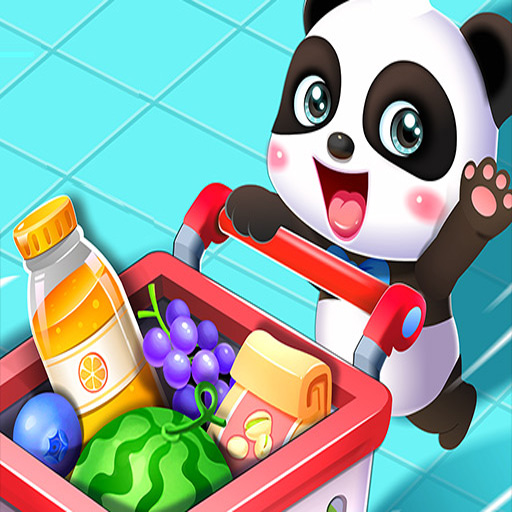
Baby Supermarket
All trademarks belong to their respective owners.
DESCRIPTION
Author

Baby Supermarket (often part of the BabyBus or Baby Panda series) is a vibrant, interactive role-playing game that turns the chore of grocery shopping into an educational adventure. Designed for toddlers and preschoolers, the game simulates a full trip to the store—from grabbing a cart to navigating the aisles and finally scanning items at the checkout. It is essentially a "life skills" simulator that lets kids explore a bustling environment without the risk of an actual tantrum in aisle five.
Gameplay Overview
The gameplay is structured as a series of mini-tasks that mirror a real-world shopping experience, emphasizing cognitive matching and basic arithmetic.
The Shopping List Challenge
At the start of each session, the player is given a visual shopping list. The core challenge is navigation: moving through different sections like the bakery, the produce department, and the toy section to find the specific items shown on the list. This helps children develop visual recognition and categorization skills.
Interactive Weighing and Packaging
The game goes beyond just "clicking" items. In the produce section, kids must place fruits on a scale, watch the numbers move, and print out price stickers. In the snack section, they might have to use a claw machine or scoop candies into bags. These mechanics introduce the concept of weight, measurement, and the physical process of preparing items for purchase.
The Checkout Experience
The finale of every run is the cashier station. This is where the most "math-heavy" gameplay occurs. Players must scan each item across the sensor (listening for that satisfying beep), see the total sum up, and then "pay" using coins or a credit card, reinforcing the idea that goods have a specific value and require a transaction.
What Makes Baby Supermarket Special?
While it is a simple game on the surface, its design philosophy aligns closely with early childhood development and basic consumer psychology.
Visual Merchandising for Kids
The game uses incredibly bright, high-contrast colors and "appealing" product designs. Even for a toddler, the way the shelves are organized—placing toys at eye level or grouping similar colors together—subtly teaches the basics of visual merchandising and how physical spaces are curated to guide a shopper's journey.
Safe Decision-Making
The game often includes "distraction" items not on the shopping list. This teaches kids to stay focused on their goals while allowing them the freedom to explore. It’s a low-stakes environment to practice making choices and following a plan.
Multi-Sensory Feedback
Every action in the game is accompanied by a sound effect—the crunch of a bag, the chime of the cash register, or the "meow" of a toy. This audio-visual feedback loop is critical for keeping young minds engaged and helping them understand the cause-and-effect of their digital actions.
Pros & Cons
Pros
- Educational Foundation: Teaches categorization, matching, and the basics of currency and weight.
- Intuitive UI: Designed with large hit-boxes and clear icons, making it perfect for kids who can't yet read.
- High Engagement: The variety of mini-games (weighing, scanning, bagging) keeps the experience from feeling repetitive.
- Wholesome Aesthetic: Features friendly characters and a stress-free environment with no "lose" conditions.
Cons
- Ad-Heavy: As with most "free" educational apps, unskippable video ads can frequently interrupt the "flow" of the shopping trip.
- Linearity: Once a child has completed the list a few times, there is very little "emergent" gameplay to keep older children interested.
- In-App Purchases: Some of the most "fun" sections (like the cake decoration or specific toy aisles) are often locked behind a paywall.
Tips for Parents
Turn it into a Real-World Bridge
Use the game as a "prep" tool before taking your child to a real supermarket. Ask them to find the same items in the real store that they found in the game. It’s an excellent way to transition digital learning into a practical life skill.
Co-Play for Vocabulary
While the game is easy enough for a child to play alone, it is much more effective if you narrate. Use it to teach new words: "Look, that’s a pomegranate," or "We need to weigh the bananas." This turns a solo screen-time activity into a language-building session.
Discuss the "Value" of Items
When the checkout screen appears, explain that different items have different prices. Even if they don't understand the math yet, hearing you talk about "expensive" vs. "inexpensive" or "needs" vs. "wants" starts building an early foundation for financial literacy.
Final Verdict
Baby Supermarket is a polished, charming, and highly effective educational tool. It takes a complex real-world system and breaks it down into delightful, manageable chunks that a three-year-old can master. While the monetization through ads and locked levels is a standard mobile gaming nuisance, the core experience is a fantastic way to introduce children to the world of commerce and organization. It's a "must-have" for any parent's "waiting room" app collection.