 IXE
IXE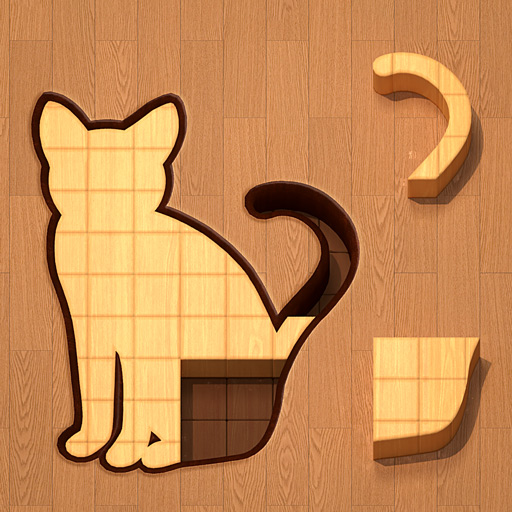
DESCRIPTION
Author

Animal Shape Puzzle is a wholesome, digital adaptation of the classic wooden peg puzzles that have been a staple of early childhood playrooms for generations. Designed specifically for toddlers and preschoolers, this game replaces physical blocks with vibrant, interactive animal characters. It’s a low-intensity "edutainment" title that focuses on spatial reasoning and fine motor skill development. If you’re looking for a digital toy that combines the charm of a picture book with the tactile satisfaction of a jigsaw puzzle—minus the risk of losing a wooden lion under the sofa—this is the perfect entry point for young learners.
Gameplay Overview
The core loop of Animal Shape Puzzle is intentionally minimalist, centering on a "drag-and-drop" mechanic that mirrors the way children interact with physical objects.
The Silhouette Mechanic
Each level presents the player with a colorful background—ranging from sunny savannas to deep blue oceans—containing several empty, grey silhouettes. On the side of the screen, a group of brightly colored animal pieces (like elephants, giraffes, or turtles) appears. The player must identify which animal fits into which shadow and drag it into the correct position.
Sensory Feedback and Rewards
The game excels at providing immediate positive reinforcement. When an animal is correctly placed, it often "comes to life" with a short animation, a realistic animal sound, or a cheerful voice-over that pronounces the animal's name. This multi-sensory feedback loop is crucial for reinforcing the connection between the shape, the name, and the living creature it represents.
Progressive Complexity
While early levels might only feature three or four simple shapes, the game gradually introduces more complex scenes. Later puzzles might require the player to assemble a single animal from multiple parts (like a head, body, and legs) or sort animals by size and habitat, subtly increasing the cognitive load as the child becomes more proficient with the interface.
What Makes Animal Shape Puzzle Special?
In a digital landscape often filled with flashy, over-stimulating content, this game stands out by prioritizing "quiet" educational value and clean UX design.
Cognitive and Motor Development
From a developmental standpoint, the game is a masterclass in Visual-Spatial Training. It requires children to rotate mental images of shapes to match them with their corresponding shadows. Furthermore, the act of precisely dragging a finger to a target helps refine the fine motor skills and "hand-eye-screen" coordination necessary for later school-based tasks.
"Stress-Free" User Experience
The game intentionally avoids "fail states," timers, or high-score pressure. There is no way to "lose" an Animal Shape Puzzle; if a piece is placed incorrectly, it simply slides back to its original spot with a gentle sound. This creates a safe, encouraging environment that builds a child’s confidence and encourages independent exploration.
Tactile Brand Aesthetic
The game’s visual identity often mimics the high-contrast, clean lines of "premium" wooden toy brands. By using soft colors, rounded edges, and friendly character designs, the game positions itself as a "digital heirloom"—a safe, high-quality tool that parents can trust for their children’s first digital experiences.
Pros & Cons
Pros
- High educational value, focusing on shape recognition, vocabulary, and motor skills.
- Intuitive UI/UX designed specifically for the limited coordination of very young children.
- Encouraging atmosphere with zero pressure, timers, or negative feedback.
- Vibrant animations and sounds that keep toddlers engaged without being over-stimulating.
Cons
- Low replayability for older children who will quickly outgrow the simple mechanics.
- Frequent advertisements in free versions can be confusing for a toddler to navigate alone.
- Linear progression means the game can feel repetitive once the initial puzzles are solved.
Tips for New Players
Use it as a Vocabulary Builder
While the game is easy enough for a child to play solo, it is far more effective as a "co-playing" tool. Sit with your child and ask them to name the colors of the animals or describe where the animal lives. This transforms a simple shape game into a rich language-building session.
Guide the "Precision" Drag
Younger toddlers (ages 2-3) often struggle with the "release" part of the drag-and-drop. Encourage them to hold their finger on the screen until the animal is "inside" the shadow. You can guide their hand for the first few tries to help them understand the boundaries of the digital grid.
Enable Airplane Mode
To ensure the safest experience and avoid accidental ad-clicks, consider playing the game offline. Many animal puzzle apps function perfectly without an internet connection, which entirely removes the distraction of banners and video ads, allowing your child to focus completely on the task at hand.
Final Verdict
Animal Shape Puzzle is a polished, charming digital sandbox that perfectly captures the joy of early discovery. It doesn’t try to be a complex "game" in the traditional sense; instead, it provides a colorful, interactive environment where toddlers can practice essential life skills at their own pace. While the monetization through ads can be a hurdle for parents, the core educational experience is a fantastic digital companion to physical play.