Few franchises have shaped competitive gaming as profoundly as Counter-Strike. First emerging as a mod in 1999 and evolving through multiple official sequels, Counter-Strike has remained one of the most influential tactical shooters ever made, setting standards for precise gunplay, team-based strategy, and competitive esports that countless other games have followed since.
This article explores what makes Counter-Strike such an enduring franchise, its core gameplay systems, and why it continues to hold a central place in competitive shooter history.
What Is Counter-Strike?
Counter-Strike is a tactical first-person shooter franchise centered on round-based matches between two teams, typically Terrorists and Counter-Terrorists, competing over objectives like planting or defusing a bomb, or rescuing hostages. Unlike more fast-paced arcade shooters, Counter-Strike emphasizes precise aim, careful positioning, and strategic decision-making, rewarding players who master its demanding mechanics over those relying on pure reflexes alone.
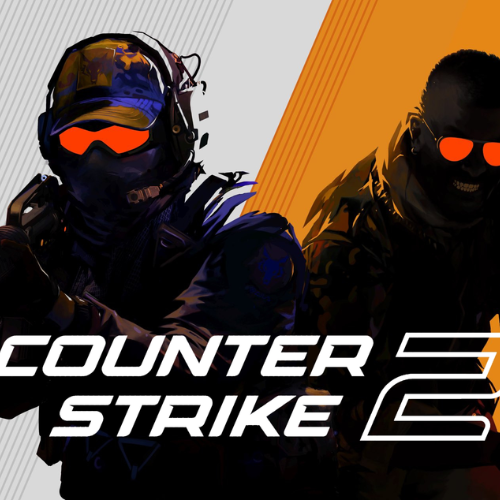
The franchise has evolved through several major titles, including Counter-Strike 1.6, Counter-Strike: Source, Counter-Strike: Global Offensive, and the most recent entry, Counter-Strike 2, each refining the core formula while maintaining the series’ signature tactical depth.
Core Gameplay: Precision, Strategy, and Economy
Counter-Strike’s enduring appeal comes from its demanding, skill-based approach to shooter mechanics.
Precise Gunplay and Recoil Control
At the heart of Counter-Strike is its emphasis on accurate, controlled shooting. Weapon spray patterns, recoil control, and movement accuracy all play a significant role in determining success, making raw mechanical skill one of the most important factors in high-level play.
Round-Based Objective Play
Matches are structured around rounds, with teams alternating between attacking and defending objectives such as bomb sites. Winning rounds requires not just eliminating opponents but successfully completing or preventing the round’s objective, encouraging coordinated strategy over individual aggression alone.
Economy Management
Between rounds, players earn in-game currency based on performance, which they use to purchase weapons, armor, and utility items like grenades. Deciding when to invest in better equipment versus saving money for future rounds, often called economy management, adds a deep strategic layer that separates skilled teams from less experienced ones.

Utility and Team Coordination
Grenades, smokes, and flashbangs play a crucial role in Counter-Strike’s strategic depth, allowing teams to control sightlines, block enemy vision, or create openings for coordinated pushes. Effective utility usage often separates top-tier teams from casual players.
Map Knowledge and Strategic Depth
Counter-Strike’s maps are carefully designed with specific angles, chokepoints, and strategic considerations that reward deep map knowledge. Understanding common sightlines, rotation timing, and ideal utility placement is essential for competitive success, giving the game significant depth beyond raw shooting mechanics alone.
Competitive Play and Esports Legacy
Counter-Strike holds a legendary status within esports, having maintained one of the longest-running competitive scenes in gaming history. With decades of professional tournaments, dedicated leagues, and a passionate global fanbase, the franchise has played a foundational role in shaping how esports operates as an industry, influencing countless other competitive titles that followed.
Ranked matchmaking systems within the game allow everyday players to track and improve their skill level, while professional play continues to showcase the franchise’s highest level of strategic and mechanical mastery.
The Evolution to Counter-Strike 2
The franchise’s most recent major entry, Counter-Strike 2, rebuilt the game on a modernized engine while preserving the core tactical gameplay that has defined the series for decades. This evolution introduced updated visuals, refined mechanics, and technical improvements, all while maintaining the fundamental round-based, objective-focused gameplay that longtime fans expect.
Platform Availability and Accessibility
Counter-Strike is primarily available on PC, with the franchise historically prioritizing consistent performance and competitive integrity over flashy visual features. This focus on accessibility and performance has helped the series maintain a broad, dedicated player base across different hardware setups.
Who Should Play Counter-Strike?
Counter-Strike is best suited for:
- Fans of tactical shooters who enjoy precise gunplay and strategic round-based play
- Competitive players interested in ranked progression and one of gaming’s most established esports scenes
- Team-oriented players who enjoy coordinating strategy, utility usage, and economy management
- Longtime shooter fans curious about the franchise that shaped much of the modern competitive shooter genre
Players looking for casual, low-commitment shooters may find Counter-Strike’s steep learning curve demanding, but for those seeking one of the most mechanically rewarding and strategically deep shooters available, Counter-Strike remains a defining choice.
Final Thoughts
Counter-Strike has earned its place as one of the most influential franchises in gaming history, thanks to its demanding gunplay, strategic round-based structure, and decades-long esports legacy. Whether jumping into casual matchmaking or following professional competitive play, Counter-Strike continues to offer a deep, skill-rewarding experience that has shaped the tactical shooter genre for over two decades.