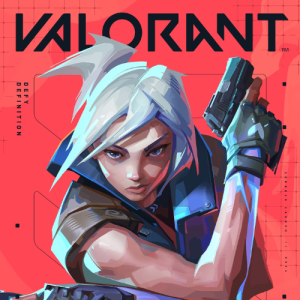


Since its release, Valorant has established itself as one of the leading names in competitive tactical shooters, combining precise, skill-based gunplay with a roster of characters possessing unique abilities. Developed by Riot Games and launched in 2020, Valorant has built a dedicated player base and a thriving esports scene by blending elements familiar to fans of both classic tactical shooters and hero-based games.
This article explores what makes Valorant such a compelling title, its core gameplay systems, and why it continues to hold a strong position in the competitive shooter genre.
What Is Valorant?
Valorant is a free-to-play tactical first-person shooter in which two teams of five compete in round-based matches, typically centered on planting or defusing a bomb-like device called the Spike. Unlike more chaotic shooters, Valorant emphasizes precise aim, strategic positioning, and careful economy management, drawing clear inspiration from established tactical shooters while adding its own layer of ability-based gameplay.
Each player selects an Agent, a character with a distinct set of abilities that complement traditional gunplay, adding a strategic dimension that separates Valorant from purely mechanics-based shooters.
Core Gameplay: Gunplay Meets Agent Abilities
Valorant’s identity comes from its careful balance between precise shooting mechanics and character-based abilities.
Precise, Skill-Based Gunplay
At its core, Valorant rewards accurate aim and controlled recoil management, similar to traditional tactical shooters. Weapon choice, positioning, and timing play a significant role in determining success, making mechanical skill a central pillar of the experience.
Agents and Unique Abilities
Each Agent brings a unique kit of abilities, ranging from smoke screens and flashes to healing, scouting, and area-denial tools. These abilities add tactical depth beyond gunplay alone, requiring players to think about ability usage, timing, and team composition alongside pure aiming skill.
Round-Based Objective Play
Matches are structured around rounds where one team attempts to plant the Spike while the other defends, with round wins determined by completing or preventing the objective, or eliminating the opposing team. This structure rewards strategic planning, map control, and coordinated teamwork.
Economy Management
Between rounds, players earn in-game currency used to purchase weapons, armor, and abilities, adding a layer of strategic decision-making around when to invest in better equipment versus conserving resources for future rounds.
Agent Roles and Team Composition
Valorant’s Agents are generally organized into roles that encourage varied team compositions and strategic play.
Duelists
Duelists are built for aggressive, entry-focused play, often equipped with abilities that help them create opportunities to engage enemies first.
Controllers
Controllers specialize in area denial and battlefield control, using abilities like smoke screens to block sightlines and manipulate enemy movement.
Initiators
Initiators focus on gathering information and creating openings for their team, often through scouting tools or abilities that disrupt enemy positioning before an engagement.
Sentinels
Sentinels prioritize defense and support, offering abilities like healing, traps, or area lockdown to protect objectives and teammates.
Maps and Strategic Depth
Valorant features a rotating and expanding roster of maps, each designed with distinct layouts, chokepoints, and strategic considerations. Map knowledge plays a significant role in high-level play, as understanding sightlines, ability usage spots, and rotation timing can heavily influence round outcomes.
Competitive Play and Esports Scene
Valorant has developed a robust competitive ecosystem, featuring ranked matchmaking that allows players to track and improve their skill level over time. Beyond casual ranked play, Valorant has grown into a significant esports title, with Riot Games supporting official competitive leagues and tournaments that showcase top-tier professional play, contributing to the game’s long-term visibility and community engagement.
Free-to-Play Model and Accessibility
Valorant follows a free-to-play model, with monetization centered around cosmetic items such as weapon skins, player cards, and other visual customization options rather than gameplay-affecting purchases. This structure keeps competitive balance intact while still offering ways for players to personalize their experience.
Platform Availability
Valorant is primarily available on PC, with Riot Games designing the game around consistent performance across a range of hardware to support competitive integrity. This focus on accessibility has helped Valorant reach a broad player base without requiring high-end systems to play at a competitive level.
Who Should Play Valorant?
Valorant is best suited for:
- Fans of tactical shooters who enjoy precise gunplay and strategic round-based play
- Players who enjoy hero-based mechanics combined with traditional shooter fundamentals
- Competitive players interested in ranked progression and esports-level gameplay
- Team-oriented players who enjoy coordinating strategies and ability usage with teammates
Players looking for more casual, low-commitment shooters may find Valorant’s mechanical and strategic depth demanding, but for those seeking a highly competitive, skill-rewarding shooter, Valorant delivers a well-refined experience.
Final Thoughts
Valorant has carved out a strong identity within the competitive shooter landscape by combining precise, skill-based gunplay with strategic, ability-driven gameplay. With its round-based structure, diverse Agent roster, and thriving esports scene, Valorant continues to offer a deep, rewarding experience for players who enjoy both mechanical precision and tactical team play.