

Few racing franchises manage to blend jaw-dropping scenery, an enormous car roster, and pure driving freedom quite like Forza Horizon. Developed by Playground Games and published by Xbox Game Studios, the series has spent over a decade redefining what an open-world racer can look and feel like. With its latest entry, Forza Horizon 6, now live and already breaking franchise records, it’s the perfect time to take a closer look at what makes this series so special.
What Sets Forza Horizon Apart
Unlike its more simulation-focused sibling, Forza Motorsport, Forza Horizon leans into fun, exploration, and spectacle. Instead of locking players into strict tracks and rigid rulesets, the series drops you into a sprawling, fully open map themed around a real-world location and simply lets you drive. There are no invisible walls, no mandatory racing lines – just roads, dirt trails, beaches, forests, and cities waiting to be explored at your own pace.
That freedom is wrapped around the Horizon Festival, a fictional music-and-motorsport celebration that ties campaign progression together. Instead of climbing a rigid career ladder, players earn “Wristbands” by completing events, unlocking faster cars and new areas of the map as they go. It’s a loose, laid-back structure that rewards curiosity as much as skill.
The Map: The Real Star of the Show
Every Forza Horizon game builds its identity around its setting, and the series has never shied away from ambition here. The newest entry, Forza Horizon 6, is set in a beautifully condensed version of Japan – the first time the franchise has tackled this location, despite years of fan requests.
The map is the largest the series has ever produced, anchored by a Tokyo City area so dense and layered that Playground Games considers it the most detailed urban environment they’ve ever built. Beyond the neon-lit streets of the capital, players can expect a huge variety of biomes: quiet countryside roads, misty mountain passes, rice paddies, bamboo forests, and cherry blossom-lined avenues that shift with the seasons. The verticality of the terrain – from coastal flatlands to winding mountain roads near landmarks like Mount Fuji – gives the map a sense of scale and diversity that previous entries struggled to match.
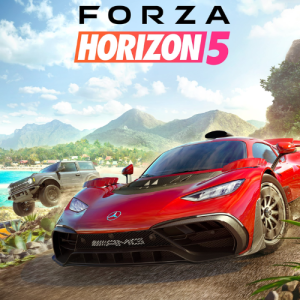
For context, its predecessor, Forza Horizon 5, was no slouch either. Set in a vivid recreation of Mexico, it held the record for the largest Horizon map at the time of release, featuring an active volcano, dense jungles, sun-soaked beaches, and ancient ruins scattered across a landscape 50% larger than the game before it. Both entries show just how central the setting is to the Forza Horizon identity – the map isn’t just a backdrop, it’s the main attraction.
A Staggering Car Collection
Car culture is at the heart of every Forza Horizon title, and the series continues to boast one of the largest and most diverse vehicle rosters in gaming. The latest entry features over 550 real-world cars, spanning everything from humble hatchbacks to hypercars, vintage classics, and rally-ready off-roaders. True to its Japanese setting, the game leans heavily into JDM culture, offering long-requested cult classics alongside modern performance icons.
Beyond simply collecting cars, players can hunt down rare “Aftermarket” vehicles hidden throughout the map, unlock heavily modified Forza Edition cars, and even claim bonus vehicles tied to previous entries in the franchise if their account has history with earlier Horizon or Motorsport titles. Engine audio has also been reworked for added realism, and steering wheel support now allows up to 540 degrees of rotation for players using dedicated racing hardware.
Gameplay Features That Keep Things Fresh
While driving fast and looking good remains the core appeal, Forza Horizon games have steadily added systems that give players more ways to engage with the world:
- Touge Battles – a nod to Japan’s mountain-pass racing culture, these tight, technical duels reward precision over raw speed.
- The Eliminator – a battle-royale-inspired mode where players start in a shrinking map with a weak starter car and must fight their way to better vehicles as the field narrows.
- Home Ownership – players can purchase in-game properties, each with customizable garages to display their car collection.
- EventLab – a creative toolset that lets players design their own custom races, stunts, and challenges, then share them with the community.
- Convoy and Co-op – full campaign support for playing solo or teaming up with friends, with shared leaderboards for casual competition.
These systems layer on top of the core driving experience without overwhelming newcomers, giving both casual players and hardcore racing fans plenty to sink their teeth into.
Visuals, Audio, and Presentation
Forza Horizon has long been a technical showcase for open-world racing games, and the latest entry continues that tradition. Dynamic weather and seasonal changes affect not just visuals but also handling – rain-slicked mountain roads behave differently than dry summer tarmac, and snow can transform familiar routes into entirely new challenges. Lighting, reflections, and environmental detail are pushed further than ever, with the developers drawing on real-world reference material, including photogrammetry of trees, road textures, and even how falling cherry blossoms react to passing traffic.
Sound design gets similar attention. Engine notes have been recorded and tuned for authenticity, and the game’s licensed soundtrack continues the series’ tradition of blending genres to match the energy of the Horizon Festival.
Accessibility and Quality of Life
One area where the series has quietly excelled is accessibility. Recent entries include features like high-contrast display modes, car proximity radar for visually impaired players, sign language support, and AutoDrive options that let anyone enjoy the spectacle of the world and soundtrack without needing to master every driving mechanic. It’s a thoughtful layer of design that broadens who can enjoy the experience.
Final Thoughts
Forza Horizon has built its reputation by making open-world racing feel joyful rather than punishing. Whether you’re chasing perfect drift lines through misty mountain passes, hunting down rare classic cars, or simply cruising through a beautifully rendered city at sunset, the series consistently delivers moments that stick with you.
With its latest chapter bringing the franchise to Japan for the first time – complete with its largest map yet, a deep car roster, and refined gameplay systems – Forza Horizon 6 stands as a strong continuation of everything that’s made the series a fan favorite. And for anyone who hasn’t caught up yet, Forza Horizon 5’s Mexican landscapes remain just as vibrant and worth exploring in their own right.
Few racing games manage to balance scale, detail, and pure fun this well – and Forza Horizon continues to set the standard for what an open-world driving game can be.